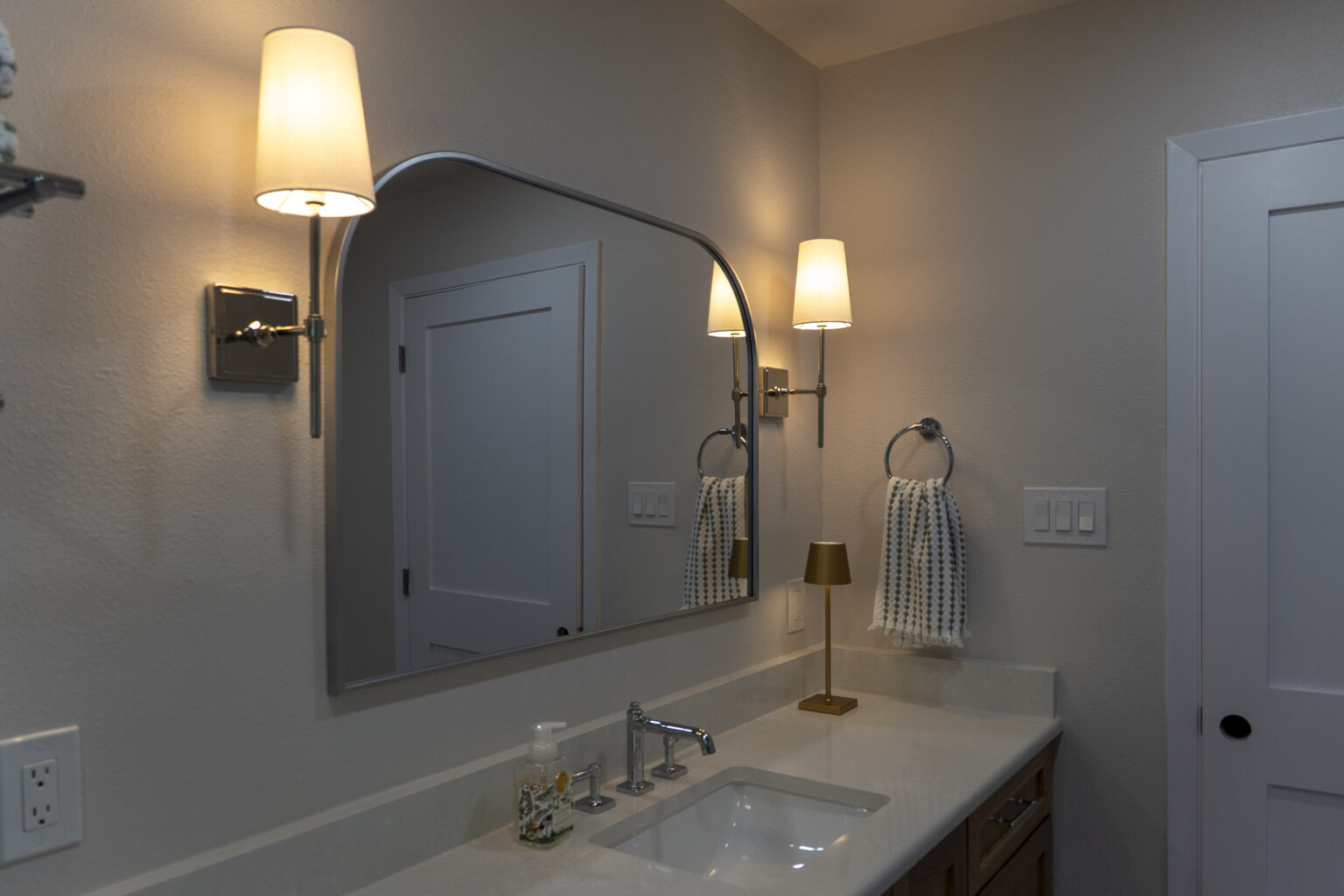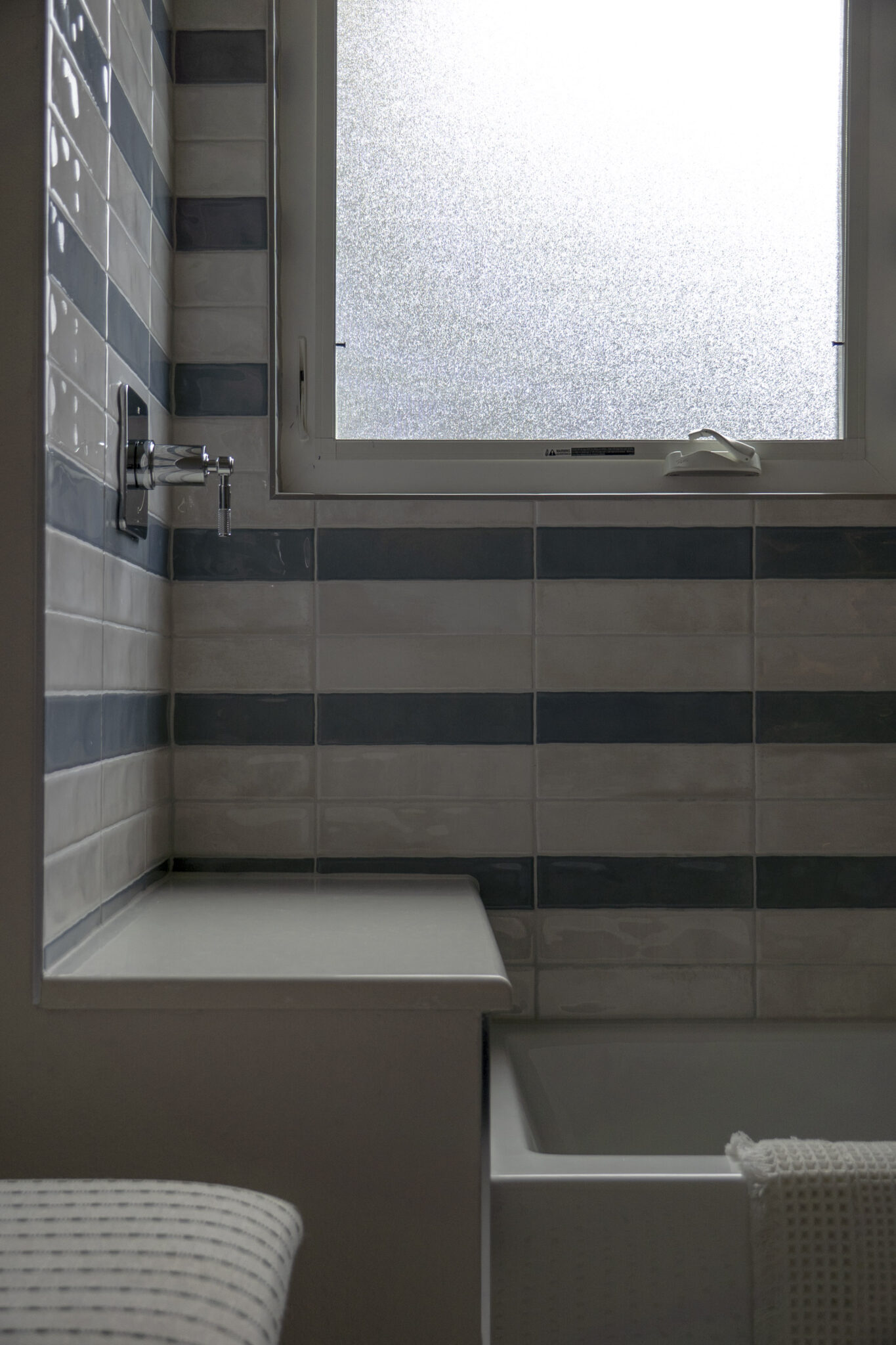

You chose your home for a reason. When the way you live changes, the answer isn't always to start over. We help Alamo Heights homeowners decide what should stay, what could work better and how to bring the two together through thoughtful design and experienced construction.
Remodeling an established home isn't always about changing everything. It's about understanding the house that's already there, how the people inside it live now and where thoughtful changes can make the biggest difference.
Explore the Alamo Heights Bathroom ↗From the Homeowner
Alamo Heights
Maybe your family has changed. Maybe the way you entertain has. Or maybe you've simply lived here long enough to know exactly what you'd do differently.
A kitchen can feel separated from the rooms where everyone gathers. Storage that once seemed fine can become a daily frustration. A bathroom can function perfectly well and still feel like the one room nobody ever really considered. None of that means you need a different house. Sometimes it means it's time to make this one work better for the life you're living now.
Good remodeling doesn't require erasing the house you bought. We look at the architecture, the materials, the spaces that already work and the details that give the home its character before deciding what needs to change.
Then we look at how you live now. The layout that interrupts the way everyone gathers. Storage that never quite worked. Rooms that feel disconnected from the rest of the house. Those are the places where a remodel should earn its keep.
Two remodels of the same size can require very different investments. The existing house, the changes you're making and the materials you choose all shape the scope. Knowing where to make the bigger move, and where not to, is part of planning the project well.
Updating a room is different from changing the way the room works. Layout changes usually mean more construction behind the finished space.
Plumbing, electrical, structure and previous renovations can all affect what it takes to make a new plan work inside an established home.
Cabinetry, tile, countertops, fixtures and flooring create room to prioritize the details that matter most to you.
Keeping the right elements can be just as intentional as replacing them. Not every surface needs to become part of the project.
The point isn't to spend everywhere. It's to know where an investment will actually change the way you live in the house.
Talk Through Your Project →You don't need to come to us with every decision made. Our job is to understand what isn't working, see the house in person and help turn what you're considering into a project that makes sense.
Tell us what you're thinking about, what's bothering you and what you want life in the house to feel like afterward.
A project specialist comes to your home to understand the space, existing conditions and what the project may actually require.
Layout, materials and the construction plan develop together so decisions are being made with the whole project in mind.
Once the details are understood, your project moves into construction with a team that already knows what you're trying to accomplish.
We don't believe you should sign for a remodeling project before we've been inside your home and understand what we're asking you to build.
From quiet material changes to completely reworked layouts, every bathroom starts with a different home and a different reason for changing it.
Inspiration is a starting point. Your architecture, the rooms around the project and the way you actually live there should have a say too. The goal is a finished space that feels considered for your home, not transplanted from somebody else's.
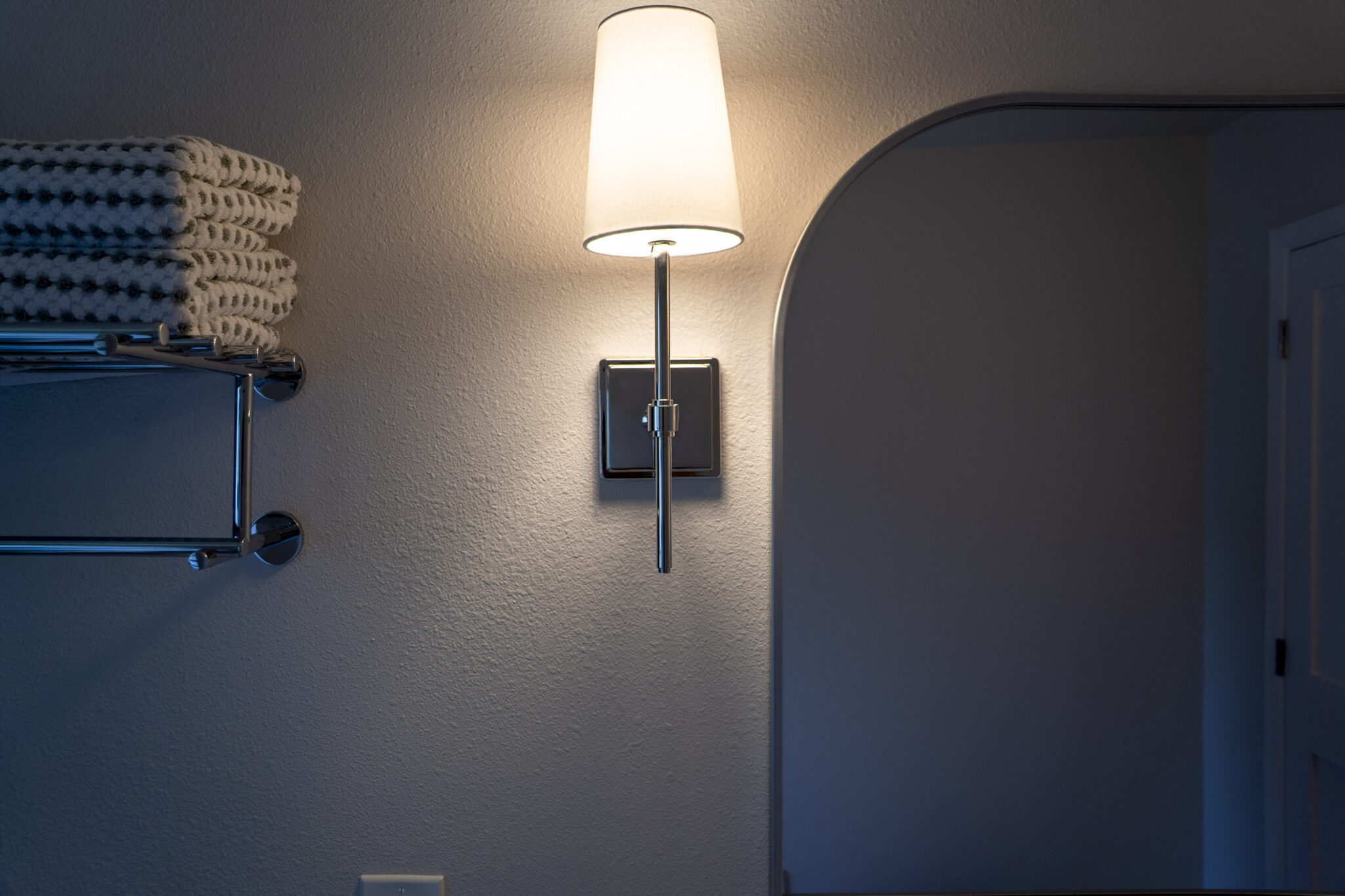
The Details Matter
Material + Light
Designed in Context
The best compliment isn't that your remodel looks like one of ours. It's that it looks like it belongs in your house.
Explore Our Projects →You don't need every answer before the first conversation. These are some of the questions homeowners ask us while they're figuring out what their project should become.
Yes. Existing details can be part of the design rather than something that automatically gets removed. We look at what already works, what feels worth keeping and where the house needs to function differently for you now.
No. You may know the room isn't working, have a folder full of inspiration or already have a fairly specific idea. All three are useful starting points. The first conversations are partly about figuring out what the project actually needs to become.
Yes. That's especially important when you're working with an established home. Sometimes the right answer is a larger change. Other times, a problem can be solved without rebuilding everything around it. We work through those decisions with you before the project takes shape.
Absolutely. If there's millwork, flooring, architectural detail or another part of the house you want to preserve, tell us. Keeping something can be just as intentional a design decision as replacing it.
Yes. Design and construction are part of the same process at Shaw. Layout, materials and finish decisions are considered alongside the existing conditions and what it will actually take to build the project.
Scope, existing conditions, structural changes and material selections all affect the investment. Two projects of similar size can be very different once we understand what's already there and what you want the finished space to do differently.
We start with a conversation and an in-home walkthrough. Before asking you to commit to a remodeling project, we want to see the house, understand what you're considering and know enough about the project to have a meaningful conversation about what comes next.
Explore the services and planning resources that fit your project.
You don't need to have the whole project figured out before you reach out. Tell us what you're considering, what isn't working and anything you already know you want to change.
Once we receive it, someone from our team will reach out to talk through your project. We'll ask a few questions, hear what you've been thinking about and make sure we're a good fit for what you need.
Give us the starting point. It doesn't have to be perfect.
We'll follow up, ask questions and learn more about what you're considering.
If we're a good fit, we'll schedule a time to walk the space with you before the project moves forward.
No contract from a form. No pressure to have every answer. Just a place to start.
Tell us what you're considering. We'll take it from there.